 |
|||
 |
|||
 |
 |
 |
|
 |
|
 |
 |
 |
|||
 |
|||
 |
|||
 |
|||
 |
 |
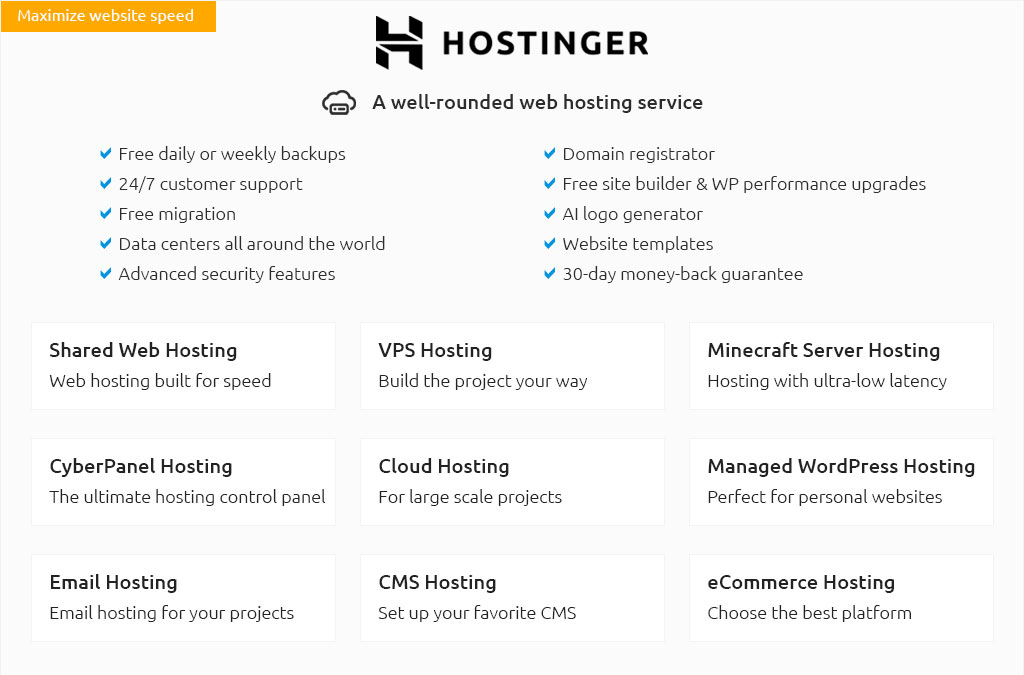
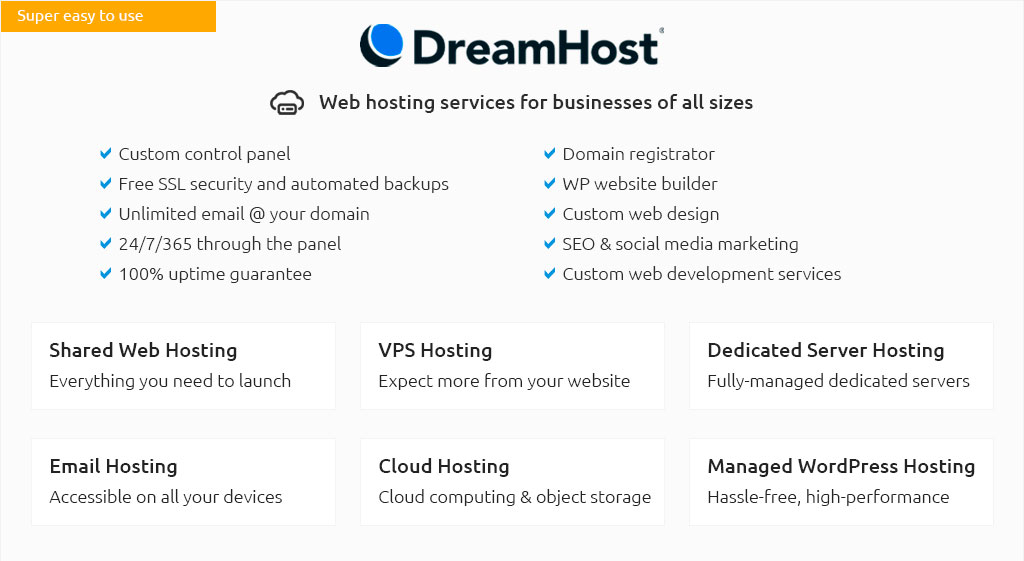
web host companies explained for newcomersWhat they doWhen you launch a site, web host companies rent space on always-on servers, maintain critical software, and route traffic efficiently. Think of them as part landlord, part electrician, and part night watch. Good providers balance reliability, speed, and support. Plans span shared, VPS, cloud, and dedicated options. Helpful extras-SSL, backups, staging, and email-cut busywork so you can focus on content and growth. How to chooseStart with your needs. A simple blog often fits shared hosting; a busy store benefits from scalable cloud resources. Review uptime history, storage type (SSD or NVMe), data center location, and security features like firewalls and malware scans. Transparent pricing matters-watch for promos and renewal jumps. Responsive 24/7 support via chat or phone can turn a crisis into a quick fix.
With clear priorities and steady iteration, you can choose a host that fits today and scales tomorrow-confidently and without needless stress.
|
